
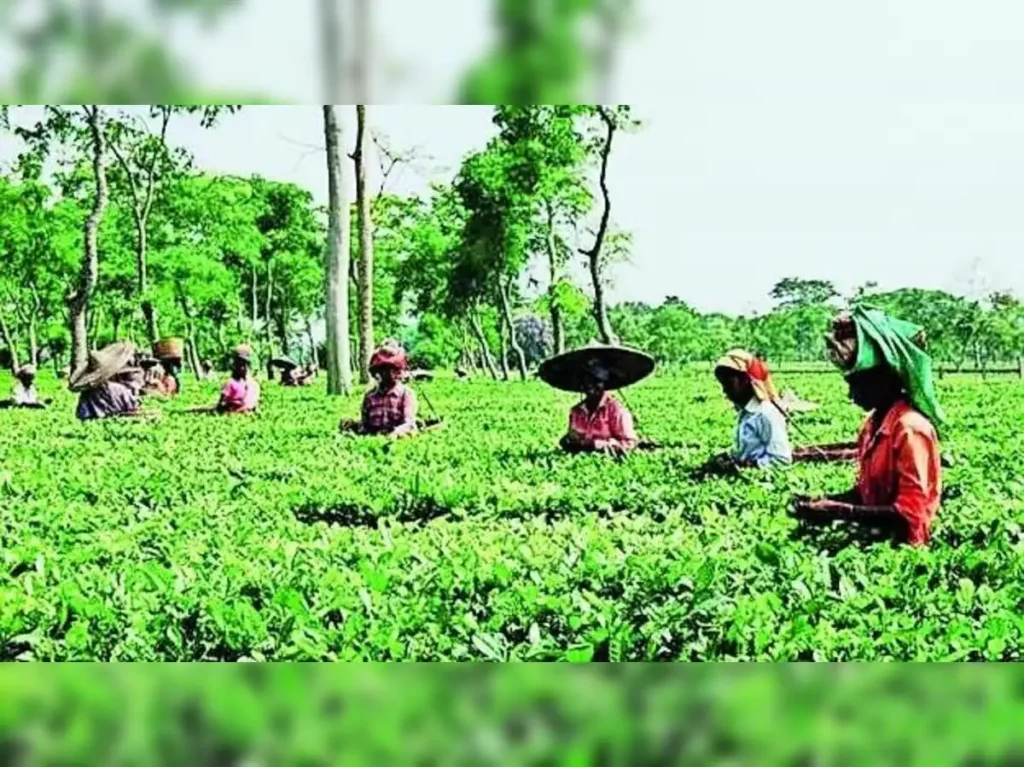
Guwahati, Assam : Assam Chief Secretary Ravi Kota has called for a sustainable and inclusive approach to India’s tea industry, emphasizing the importance of maintaining a viable dual structure that supports both large-scale plantations and small tea growers (STGs).
Speaking at the annual general meeting of the Indian Tea Association (ITA) held in Guwahati, Kota highlighted Assam’s pivotal role in the sector, noting that the state contributes nearly 50% of the country’s total tea production. He stressed that both organised estates and STGs must coexist without engaging in practices that undermine each other’s viability.
“The coexistence of large plantations and small growers must be economically sustainable. While plantations are bound by welfare obligations under the Plantation Labour Act, STGs operate under different conditions. A fair pricing mechanism is essential to ensure both segments thrive,” Kota said.
He also advocated for the introduction of a minimum sustainable price for tea and called for greater transparency in imports, including mandatory disclosure of origin to enhance traceability and protect domestic producers.
ITA Chairman Hemant Bangur, addressing the gathering, outlined several pressing challenges facing the industry. These included stagnant market prices, a shortage of skilled labour, and the growing impact of climate change. Bangur warned that rising operational costs are making it increasingly difficult for organised tea estates to remain profitable.
He urged the government to provide targeted incentives for orthodox tea production and recommended an increase in the RoDTEP (Remission of Duties and Taxes on Exported Products) rate to support exporters. Bangur also drew attention to the recent extreme weather events in North Bengal—particularly heavy rainfall and landslides affecting Darjeeling, Dooars, and Terai—and appealed for a financial relief package to support the region’s struggling tea industry.
The meeting concluded with a shared commitment to policy reforms and collaborative efforts to safeguard the future of India’s tea economy.