
The Assam Cabinet has approved the creation of 15 specialised councils to assess the effectiveness of welfare programmes, gather feedback from beneficiaries and recommend improvements to the government.
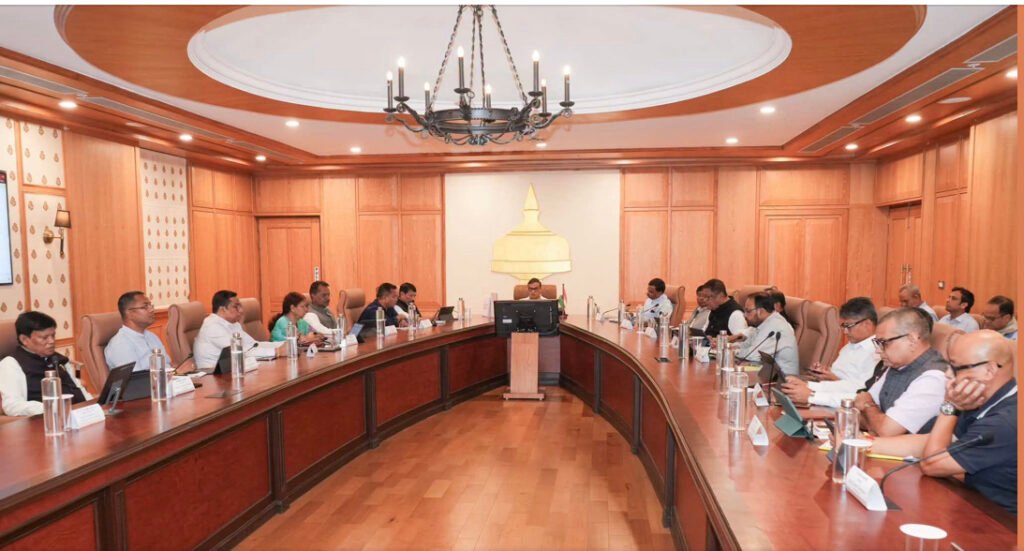
Guwahati, Assam: The Assam Cabinet has approved the establishment of 15 sector-specific councils tasked with monitoring the implementation of welfare programmes and evaluating their impact on citizens across the state.
Announcing the decision on Tuesday, Chief Minister Himanta Biswa Sarma said the new bodies would serve as a platform for obtaining direct feedback from beneficiaries and identifying areas where government schemes may require strengthening.
The proposed councils will cover a range of sectors, including rural livelihoods, healthcare, education, social security and housing. Among those slated for formation are the Assam Rural Livelihood Council, Health and Wellness Council, Education Entitlement Council, Assam Social Security Council and Public Housing Council.
According to the Chief Minister, the councils will examine the performance and outreach of major welfare initiatives implemented by both the state and Central governments. These include programmes such as Orunodoi, Pradhan Mantri Ayushman Bharat, Mukhya Mantri Ayushman Assam and Pradhan Mantri Awas Yojana, along with schemes related to education and healthcare services in tea garden regions.
Sarma clarified that the councils will function in an advisory capacity rather than as independent decision-making bodies. Their primary responsibility will be to engage with beneficiaries and local communities, gather inputs on the delivery of welfare services and document challenges faced on the ground.
The findings and observations collected by the councils will be submitted to the state government as recommendations. Based on these reports, the government may consider measures to improve the design and execution of welfare programmes.
Each council will have nine members, led by a Cabinet minister as the chairperson. The panel will also include a vice-chairperson and seven additional members.
The move is intended to establish a systematic feedback framework through which the government can periodically review the coverage, impact and public response to major welfare programmes, while helping ensure that benefits reach intended beneficiaries more effectively.