
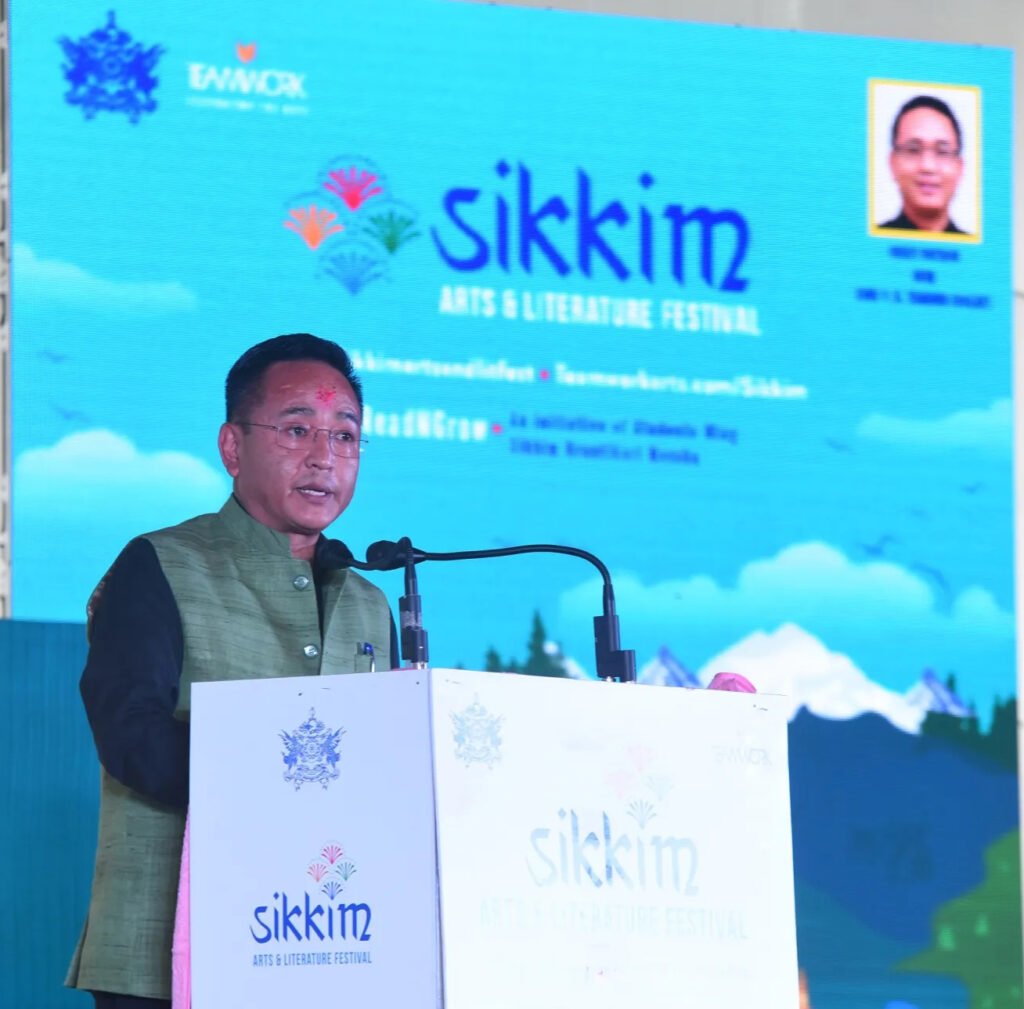
The three-day cultural gathering will bring together noted writers, poets, musicians and thinkers, highlighting the literary traditions, stories and artistic expressions of Sikkim and the wider Himalayan region.
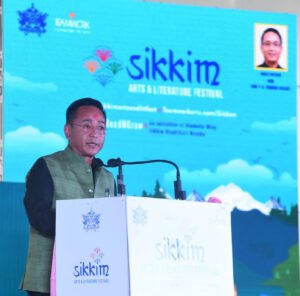
Gangtok, Sikkim : Gangtok is set to host the second edition of the Sikkim Arts and Literature Festival (SALF) from October 28 to 30, with a diverse line-up of authors, poets, performers and cultural commentators converging at The Ridge Park for a celebration of literature, music and creative dialogue.
The festival, conceived as a platform to spotlight the cultural and literary richness of Sikkim and the Himalayan belt, will examine themes ranging from identity and belonging to ecology, history, memory and cultural pluralism. Through discussions, readings and performances, the event aims to foster meaningful exchanges between established voices and emerging audiences.
An initiative supported by the Government of Sikkim under the leadership of Chief Minister Prem Singh Tamang (Golay), the festival is being presented by the Students’ Welfare Board of the Education Department. The event is curated by Teamwork Arts, the organisation known for producing major literary festivals across the country, including the Jaipur Literature Festival.
Festival organisers said the programme is designed not only to celebrate storytelling and artistic expression but also to strengthen Sikkim’s profile as an emerging cultural destination. Particular emphasis has been placed on engaging students and young readers with ideas, literature and creative traditions from across India and beyond.
The literary segment will feature several prominent voices, including Mamang Dai, William Dalrymple, Ranjit Hoskote, Chuden Kabimo, Stephen Alter, Guru T. Ladakhi, Nawaraj Parajuli and Yuvan Aves. Discussions and readings will explore the intersections of memory, landscape, language and identity, particularly within the Himalayan context.
Among the featured sessions is Echoes of Verse, bringing together Mamang Dai, Ranjit Hoskote and Guru T. Ladakhi in a conversation centred on poetry and place. Another major attraction, These Hills Called Home, will explore how life in the Himalayas has shaped literary imagination and personal narratives, with Chuden Kabimo, Prajwal Parajuly and Stephen Alter sharing their perspectives.
Themes of displacement, language and belonging will also be at the forefront in A Borderland State of Mind, a discussion examining the experiences of communities living in frontier regions and the role of cultural memory in shaping identity.
Aditya Golay, MLA from Soreng-Chakung, said the festival offers an opportunity to celebrate the diverse voices that contribute to the cultural fabric of the Himalayan region. He noted that the event would provide visitors with a deeper understanding of Sikkim’s stories, traditions and creative communities.
Students’ Welfare Board Chairman Sonam Chopel Sherpa said the festival seeks to create a meeting ground for writers, artists and audiences from across the Himalayas. He added that the programme would encourage young people to see their own languages, experiences and heritage reflected within a larger cultural conversation.
Alongside literary discussions, the festival will host an extensive musical programme showcasing a range of Indian traditions and contemporary expressions. Performances will include ghazals, folk music, instrumental recitals and cross-genre collaborations.
The opening evening on October 28 will feature a tribute to legendary ghazal maestros through a performance by Aagaaz, a Delhi-based musical collective led by vocalist Suhavi Kalsi. The presentation will honour some of the most influential voices in the genre.
The festival’s music calendar will continue on October 29 with a flute and percussion performance by Kartikeya and Makrand, followed by a concert by Indian Ocean, the acclaimed folk-fusion band known for blending classical, folk and contemporary musical influences.
With an expanded programme of literary conversations and live performances, the festival is expected to draw participants and audiences from across the Himalayan region, reinforcing Gangtok’s growing reputation as a centre for cultural and intellectual exchange.