
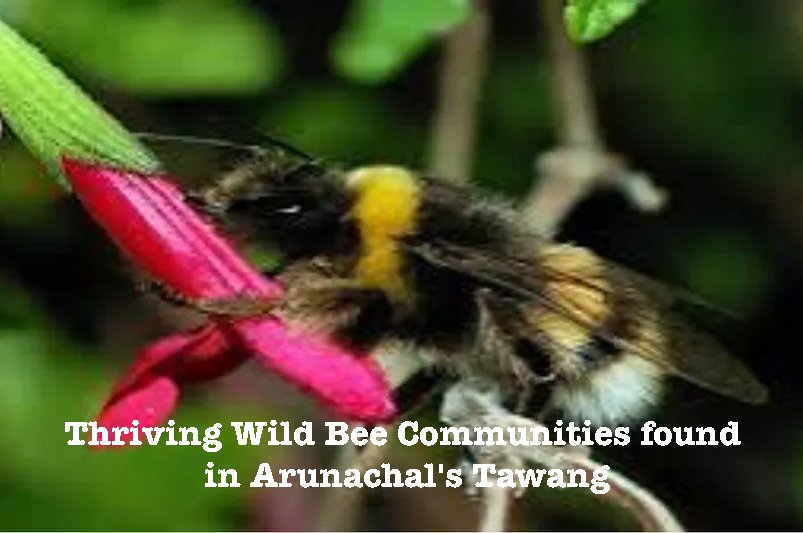
Tawang, Arunachal Pradesh : A recent field study conducted by the Zoological Survey of India (ZSI) has documented a significant diversity of wild bee species in the mountainous landscapes of Arunachal Pradesh’s Tawang district, underlining the ecological importance of the region’s alpine habitats and flowering plant communities.
The survey, carried out under the National Mission on Himalayan Studies (NMHS), spanned several high-altitude locations in the district between mid-September and early October. Researchers explored areas ranging from nearly 2,000 metres to over 4,700 metres above sea level, including Sela Pass, Bumla Pass, Nagula, Sangetsar Tso, Chumi Gyatse Falls and Jang.
A team from ZSI’s Desert Regional Centre, Jodhpur, led the exercise to assess the diversity and distribution of pollinator species in the Eastern Himalayas. During the study, scientists recorded numerous wild bee species belonging to four major families, with special emphasis on bumblebees, which are among the most important pollinators in high-altitude ecosystems.
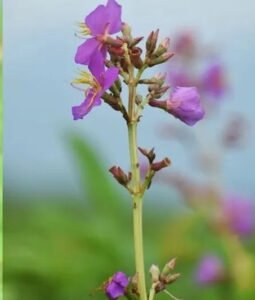
Researchers observed that several native flowering plants serve as crucial food sources for these insects. Species such as thistles (Cirsium), Rose Carpet Knotweed and Cicerbita alpina were found to attract large numbers of bumblebees seeking nectar and pollen. The study highlighted the close relationship between pollinators and alpine vegetation, particularly in regions where the flowering season is short and highly seasonal.
According to the researchers, the availability of flowering plants throughout the growing season is vital for sustaining wild bee populations. Apart from natural habitats, agricultural fields, household gardens and ornamental flowering plants near settlements were also found to contribute to the food resources required by pollinators.
Scientists cautioned that environmental changes, including habitat disturbance and shifts in flowering patterns linked to climate variability, could affect the survival of wild bee populations by reducing access to nectar and pollen sources. They stressed that conservation strategies should focus not only on protecting pollinator species but also on safeguarding the habitats and plant communities that support them.
The findings are expected to serve as an important reference for future research on bee diversity, pollinator-plant interactions and habitat conservation in the Eastern Himalayan region. The data could also aid efforts related to ecological monitoring, habitat mapping and biodiversity management in Tawang and other Himalayan landscapes.
The survey forms part of ZSI’s broader initiative to study Himalayan pollinators and strengthen understanding of their role in maintaining mountain ecosystems and supporting biodiversity.