

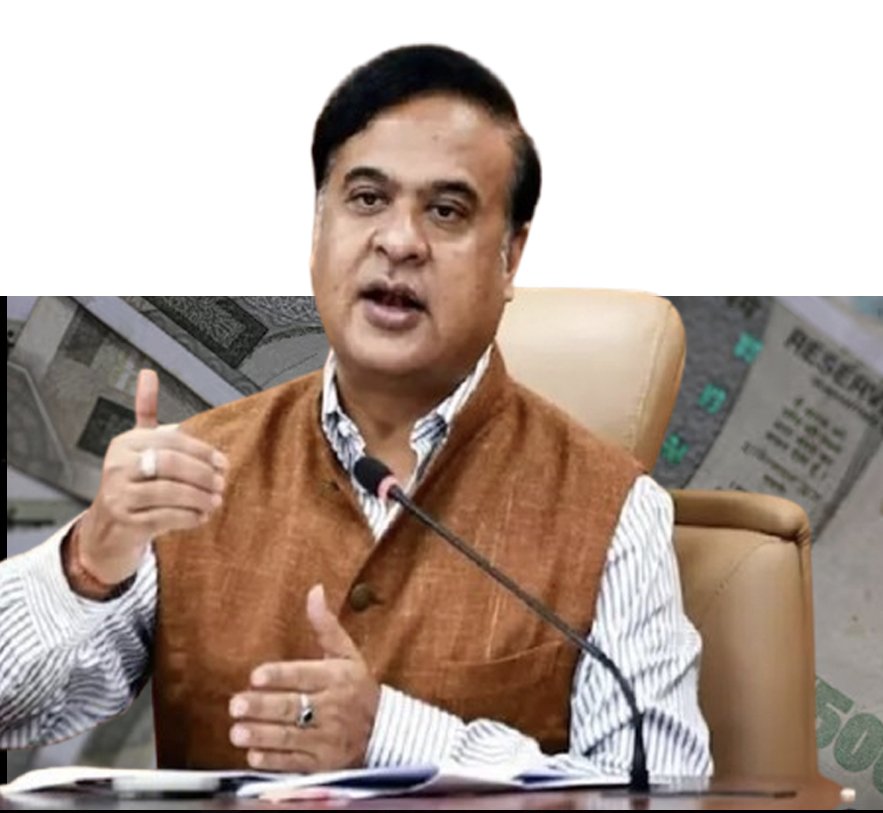
Guwahati, Assam – The Assam government has announced the formation of the 8th Assam Pay Commission, 2026, with Subhash Chandra Das appointed as chairman. The panel will review pay scales and service conditions of state government employees, though certain categories such as All India Services officers and staff under specialized technical pay structures will remain outside its scope.
The Commission will be headquartered in Guwahati and is expected to deliver its report within a year. Its work will be guided by the Assam Fiscal Responsibility and Budget Management Act, 2005, and will take into account the state’s financial resources, economic conditions, developmental priorities, and recommendations of the Central Pay Commission.
Membership of the body includes the Secretary of the Finance (Pay Research Unit) Department, who will serve as Member Secretary, alongside senior-most secretaries from the Personnel, ARTPPC, and Finance departments. The LR-cum-Commissioner and Special Secretary of the Judicial Department, the Special Director of Finance (Budget) or a nominee, and Gauhati University professor Ratul Mahanta are also part of the panel.
The government has directed the Commission to recommend revisions that are fair, performance-oriented, and fiscally viable. It has also asked for fiscal modelling and phased implementation plans, including projections of year-wise financial impact and cash flow requirements.
Officials noted that the last pay revision in Assam was implemented in 2016 following the 7th Pay Commission’s recommendations. The new exercise, they said, must go beyond salary adjustments to include reforms in human resource management, digital integration, outcome-based governance, and rationalisation of manpower.
The order further underlined the need to improve productivity through digital technologies in public service delivery, integration of HRMIS with financial systems, measurable performance benchmarks, and structured training for skill development. Incentive frameworks, where introduced, are to be tied to clear performance indicators and aligned with fiscal responsibility norms.