

Guwahati, Assam: With the annual flood season drawing to a close, Assam’s forest authorities are preparing for the return of tourists and researchers by intensifying efforts to protect wildlife habitats, secure animal movement routes and strengthen monitoring across key conservation landscapes.
As national parks and wildlife reserves gradually reopen after the monsoon months, officials are turning their attention to preserving the ecological corridors that allow animals to move safely between forests, wetlands and higher ground. Conservationists view these natural passageways as critical to the survival of several species, particularly in landscapes where seasonal floods regularly alter habitat conditions.
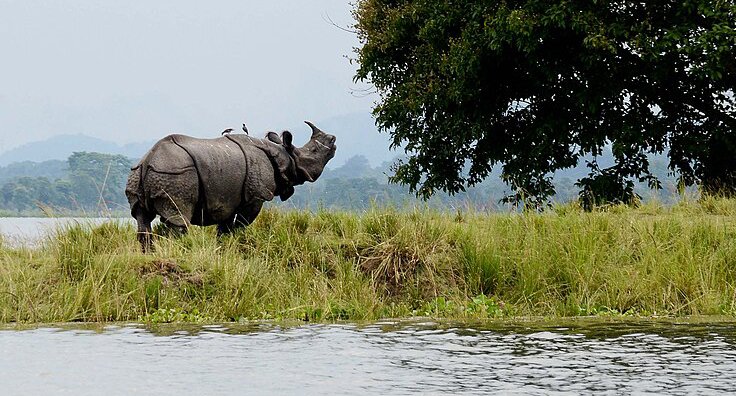
One of the primary areas of focus is the Kaziranga-Karbi Anglong ecosystem, where animals such as the one-horned rhinoceros, elephants, wild buffaloes and various deer species frequently migrate between the floodplains and neighbouring hill forests. Wildlife experts have long emphasised that uninterrupted access to these routes is essential for maintaining healthy animal populations and reducing human-wildlife conflict.
Forest officials are also stepping up surveillance activities across protected areas as the dry season approaches. Increased patrolling, monitoring camps and the deployment of technology-driven monitoring systems are expected to form a crucial part of efforts to prevent poaching, illegal timber extraction and other threats to wildlife.
Authorities say conservation today extends beyond the boundaries of individual parks. Protecting biodiversity requires safeguarding the larger network of forests, grasslands and connecting corridors that support breeding, migration and access to food and water. Any disruption to these linkages can have long-term consequences for ecological stability and wildlife survival.
The renewed focus comes as Assam continues to balance conservation priorities with a growing nature tourism sector. Parks such as Kaziranga, Manas and Pobitora attract thousands of visitors annually, making responsible tourism practices increasingly important. Forest authorities have stressed that tourism activities must remain sensitive to wildlife needs and avoid placing additional pressure on fragile habitats.
Experts note that community participation remains central to conservation efforts. Villagers living near forests, local organisations and frontline forest personnel play a vital role in reporting illegal activities, protecting habitats and supporting sustainable management practices.
The post-flood months are generally considered a critical period for wildlife conservation in Assam, as animals return to their regular habitats and parks witness increased human activity. Forest officials believe that strengthening protection measures now will help ensure safer habitats for wildlife while preserving the state’s rich natural heritage.
As Assam enters a new tourism season, the emphasis remains on maintaining ecological connectivity, preventing wildlife crime and promoting responsible tourism, with the broader goal of safeguarding the state’s biodiversity for the future.